Scotland’s food and drink sector must accelerate action to cut emissions and strengthen resilience as climate volatility, rising costs and changing market expectations increase pressure across the industry, according to a new Climate Transition Plan published today.
Developed through the Scotland Food & Drink Partnership’s (SFDP) Net Zero Programme, the plan provides a practical, industry-wide route towards Scotland’s legally binding 2045 net zero target, setting out priority actions for businesses and recommendations for government on the conditions needed to enable progress.
A team from 3Keel has been working with SFDP for over 18 months to develop the plan, which summarises an in-depth, 150-page technical document of detailed underlying analysis and a comprehensive evidence base.
Scotland’s food and drink sector generates £19 billion in annual turnover, contributes £7 billion in Gross Value Added (GVA) and supports around 115,000 jobs. The sector faces increasing exposure to climate and market pressures. Extreme weather, water scarcity and flooding are disrupting production and supply chains, while rising energy and input costs are adding to business costs and uncertainty.
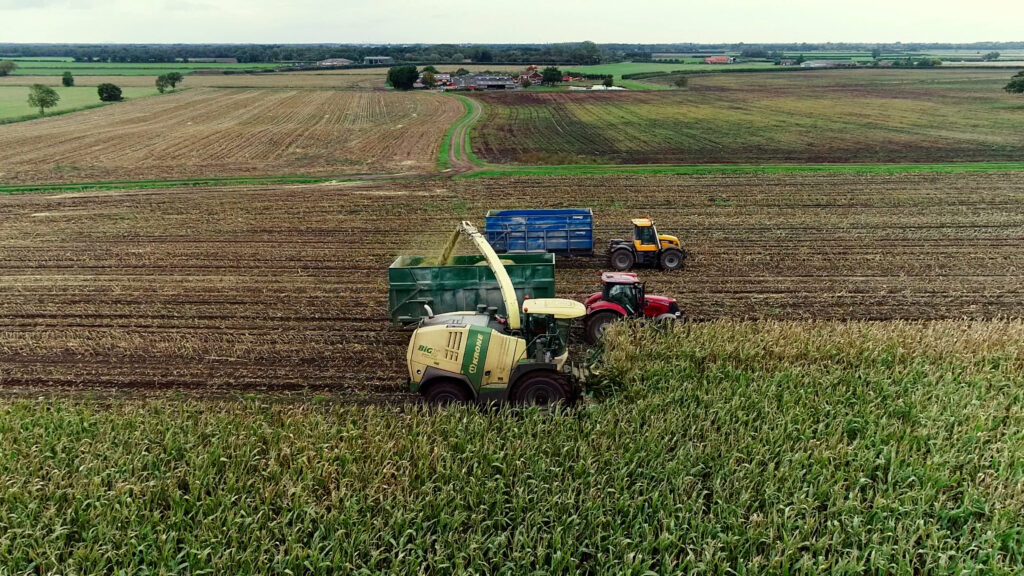
Informed by engagement with industry, government, academia and advisory bodies, the Climate Transition Plan identifies opportunities for change across the food and drink supply chain, from primary producers to processor gate. Many of the technologies and practices needed to reduce emissions are already proven, with the priority now being to scale them in ways that are commercially viable and practical for businesses, while improving efficiency and resilience.
“Scotland’s food and drink businesses are already taking action, but the operating environment is changing quickly,” said Iain Clunie, Programme Director of Scotland Food & Drink’s Net Zero Commitment.
“This plan provides a shared route forward, identifying where businesses can act and where wider conditions need to improve to support progress.”
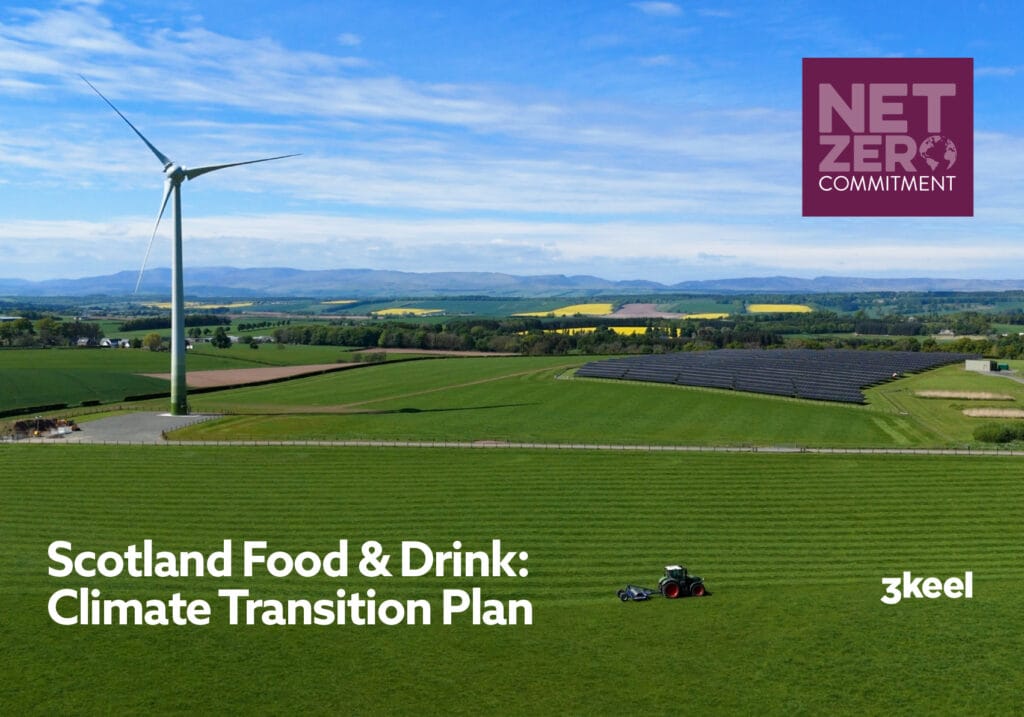
“Reducing emissions and strengthening resilience are increasingly part of the same challenge. As policy, regulatory and market expectations change, the transition to net zero is becoming increasingly important for competitiveness, productivity and long-term commercial sustainability,” Clunie continued.
The plan sets out practical actions to help businesses reduce their exposure to volatility and prepare for what comes next.”
To achieve net zero and secure long-term competitiveness, the Climate Transition Plan balances immediate, 10-year emissions reduction levers with long-term resilience building blocks. Emissions hotspots were identified across the sector. For each hotspot the highest potential mitigation levers were identified and grouped into three core pillars; farming, energy and supply chain and circularity. Enabling action and co-benefits of each lever were identified and the levers were set into a clear sequence for technical adoption and system-wide scaling.
To improve the resilience of the sector into the 2040s, four “building blocks” were identified that mitigate systemic climate risks. These focus on unlocking public-private regenerative agriculture financing, expanding green skills across rural communities, developing new product opportunities, and leveraging Scotland’s provenance through selective premiumisation. Together, they ensure near-term decarbonisation is backed by the financial, technical and market conditions needed for a resilient, profitable future.
Climate Action and Rural Affairs Secretary Gillian Martin added: “Scotland’s food and drink industry is a cornerstone of our economy and a key part of Scotland’s journey to net zero. I am delighted that Scottish Government support for the Sustaining Scotland, Supplying the World strategy is helping the sector take forward this important work.
“I congratulate the Scotland Food & Drink Partnership on the significant progress made to date. This Climate Transition Plan demonstrates the ambition, collaboration and innovation that will be needed to deliver a fair and successful transition.
“By continuing to reduce emissions, strengthen resilience and embrace sustainable growth, Scotland’s food and drink sector will be a key partner in helping us meet our net zero ambitions while supporting jobs, investment, and communities across the country.”
You can view the full Food and Drink Climate Transition Plan here.