Comprehensive supply chain mapping
Holland & Barrett aspires to be a market leader in sustainable sourcing, recognising that environmental stewardship is fundamental to building long-term trust with its customers. Given the high visibility of forest-risk commodities in the health and beauty sector, the retailer is committed to ensuring its own-brand products meet rigorous environmental and human rights standards.
Every year, 3Keel undertakes a collective supply-chain mapping programme for around 20 retailers and manufacturers across four commodities: soy, palm oil, cocoa and coffee. This collective approach involves direct engagement with thousands of suppliers across multiple markets. Through this mapping, we help businesses understand the challenges, improve sourcing decisions and reduce risk. This annual programme helps reduce the burden on supply chain actors and enables combined analysis for benchmarking and sectoral insights. We also help clients verify progress, enabling improvement on where and how raw materials are sourced, to boost supply chain sustainability.
As part of this programme, the Responsible Sourcing function within the Sustainability & Impact team commissioned 3Keel to undertake comprehensive supply chain mapping for Holland & Barrett. The assessment focused on key commodities – soy, palm oil, and cocoa – sourced both directly by suppliers and indirectly as ingredients within finished products, thus providing greater visibility into upstream risks and opportunities across the supply chain.
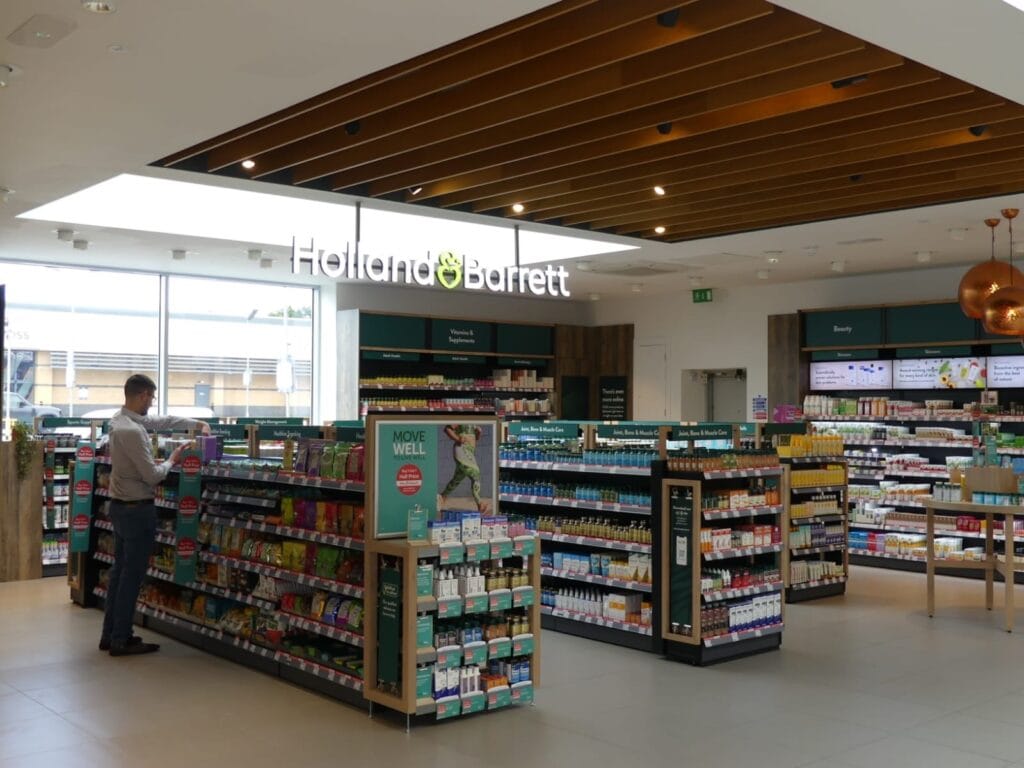
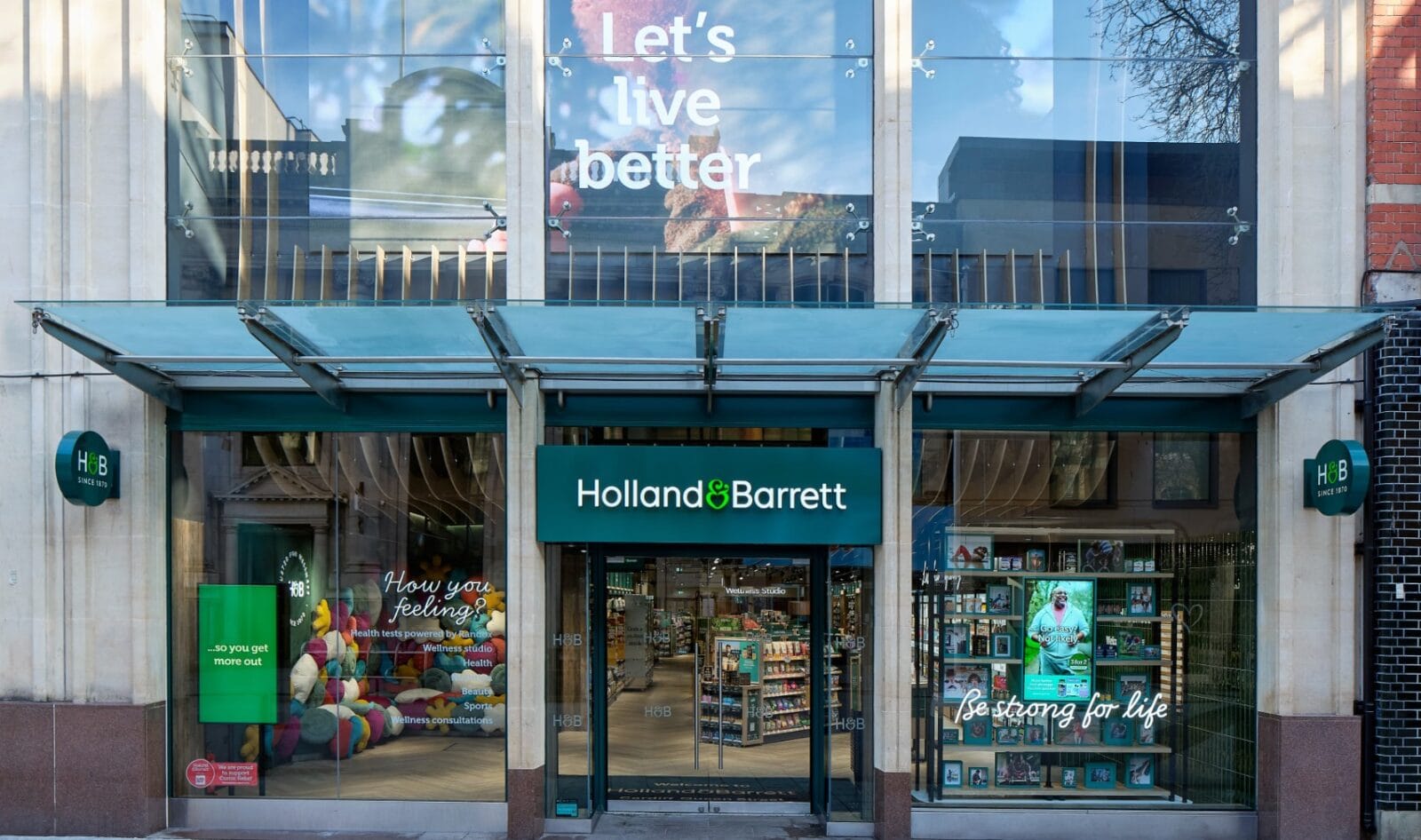
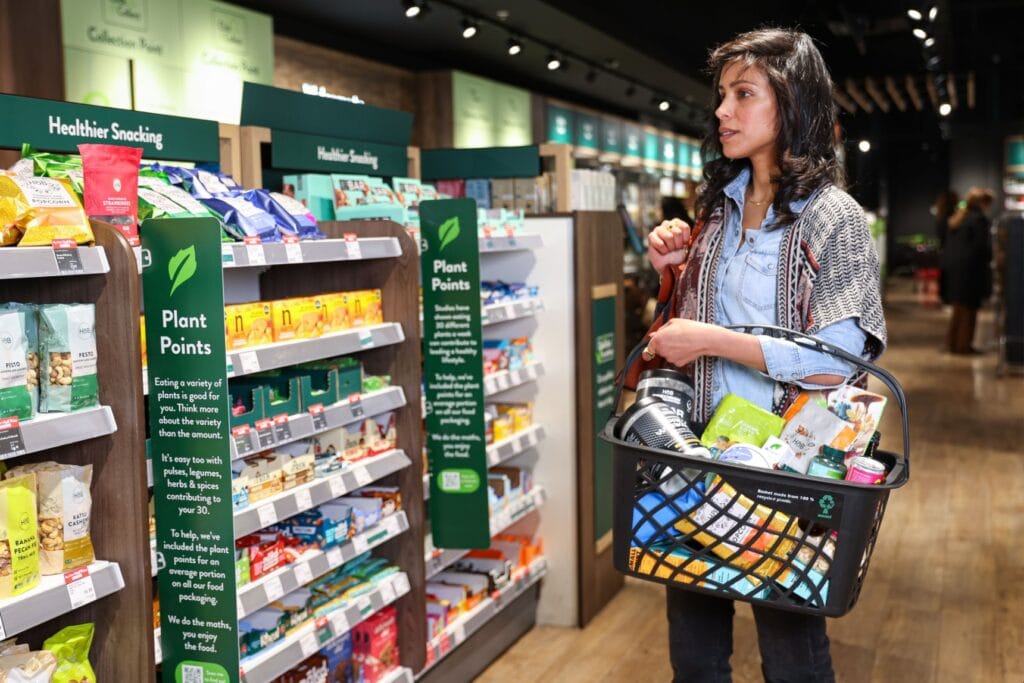
Image credit: Holland & Barrett.
Our work focused on quantifying the retailer’s commodity footprint, determining the proportion of verified deforestation and conversion-free (vDCF) volumes, and identifying critical certification gaps to facilitate evidence-led supplier engagement. Ramesh and his team engaged closely with the process throughout.
Driving sustainable leadership in the health and wellbeing retail sector
This project marks the second year of our partnership on commodity reporting. By applying a consistent and established mapping methodology, we have enabled Holland & Barrett to move beyond one-off data snapshots toward meaningful year-on-year trend analysis.
Taking a partnership approach has allowed us to become a trusted adviser, combining technical expertise in deforestation elimination strategies and comprehensive knowledge of standards, reporting and legislation with a mature, successful data collection process.
Our approach to supply chain mapping and reporting
The primary objective was to execute an annual data collection process that provides a granular view of the retailer’s footprint for high-risk commodities for deforestation. To provide a clear roadmap for improvement, we designed the project to answer three essential questions:
- Volume – exactly how much soy, palm oil and cocoa is used in products, whether purchased directly or as a sub-ingredient?
- Verification – what level of recognised certification currently covers these volumes?
- Origin – what are the specific geographic origins of these forest-risk commodities?
By standardising the reporting process, we aimed to increase supply chain transparency while reducing the ‘survey fatigue’ suppliers often experience. This approach provides Holland & Barrett with a unique overview of the commodities flowing into their European markets and allows for clear public-facing progress tracking. Critically, our data provides year-on-year comparisons and highlights both progress and gaps.
“The data obtained through 3Keel’s cross-collaborative approach provides high-quality insights that inform action and enable tracking of progress against sustainability commitments.”
The project followed a structured, three-stage process to ensure data integrity and supplier alignment:
- Supplier identification – Holland & Barrett identified all in-scope suppliers associated with soy, palm and cocoa.
- Data collection – 3Keel engaged these suppliers directly to request 2025 volumes. We also gathered critical metadata regarding vDCF certification status and assessed supplier readiness for the European Union Deforestation Regulation (EUDR).
- Analysis and reporting – once submitted, our team reviewed and interrogated the data to identify inconsistencies. We then provided Holland & Barrett with a comprehensive analysis of its footprint and the specific gaps remaining in its certification journey.
Achieving accuracy through consistent engagement
The results of this year’s reporting cycle indicate a significant maturation in Holland & Barrett’s commodity footprint mapping. We observed a notable increase in supplier response rates, reflecting deeper engagement and a reduction in data gaps.
Furthermore, the quality of the data has improved. We encountered fewer issues regarding the accuracy of reported volumes compared to previous years. This highlights a growing understanding among the supplier base regarding forest-risk requirements, providing Holland & Barrett with a robust, evidence-led foundation to drive forward its deforestation-free ambitions.
What were the results?
Holland & Barrett sources its products from key geographies including (but not limited to) the United Kingdom, the European Union and Asia – reflecting the global nature of agricultural, botanical, nutritional and manufacturing supply chains.
In the latest results for 2025:
- 99% of Holland & Barrett’s mapped palm oil was reported as RSPO-certified (mass balance or segregated).
- 58% of soy was reported to be verified deforestation and conversion-free.
- 54% of cocoa was sourced from certified suppliers.
What’s next for Holland & Barrett?
Holland & Barrett’s aim is to transition to 100% certified palm, soy and cocoa to eliminate deforestation risk and strengthen responsible sourcing across the supply chain. This work has significantly improved the company’s supply chain visibility, enabling it to better understand commodity origins, volumes used, certification coverage, and key environmental and human rights risks. It has also strengthened supplier engagement, improved data quality and provided a robust, evidence-based foundation to drive deforestation-free and responsible sourcing decisions.
As Ramesh Panavalli, Head of Responsible Sourcing and Human Rights, puts it: “The data obtained through 3Keel’s cross-collaborative approach provides high-quality insights that inform action and enable tracking of progress against sustainability commitments. It offers visibility into production methods, standards and supporting evidence, while enabling year-on-year comparison and consistency to clearly demonstrate progress over time.”
Holland & Barrett will use these insights to close certification gaps, deepen traceability beyond its direct suppliers, and strengthen supplier requirements aligned with the EUDR and human rights standards.
The focus will be on building long-term partnerships with preferred suppliers, embedding risk-based sourcing decisions into product development, and continuing annual mapping to track progress and drive continuous improvement.