News Release
The Retail Soy Group (RSG) today launched a model policy for more sustainable soy sourcing, providing companies with a practical framework to implement the latest guidance from the Accountability Framework initiative (AFi). The model policy translates this guidance into practical sourcing requirements companies can apply across complex soy supply chains. It also reflects lessons learned over the past five years as global retailers and food companies have worked to translate ambitious deforestation commitments into measurable change across complex commodity markets.
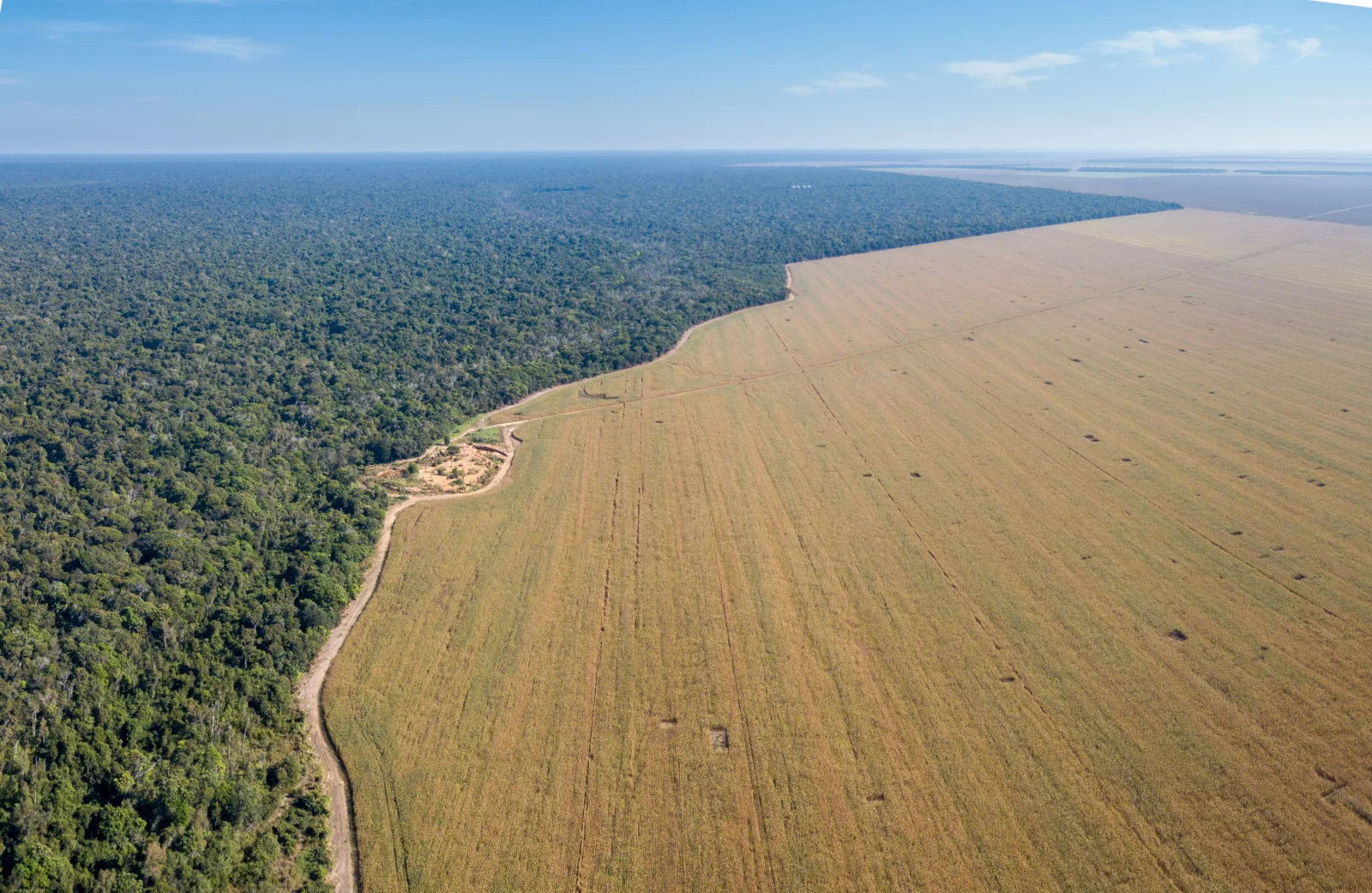
Retailers across multiple regions previously committed to delivering deforestation- and conversion-free supply chains by 2025 and have made significant progress strengthening corporate policies, improving transparency and supporting responsible production. However, despite considerable effort and investment, systemic barriers in global commodity markets mean the 2025 ambition for fully deforestation- and conversion-free soy supply chains could not be achieved.
Over the last decade, retailers have worked to transition their supply chains while mobilising millions of dollars to support responsible production, including through certification schemes and landscape initiatives. Yet experience across industry initiatives has shown that retailer commitments alone cannot transform global commodity supply chains without market-wide regulation that levels the playing field, such as the EU Deforestation Regulation.
However, recent developments have also highlighted the fragility of voluntary protections in production landscapes. This can be seen most clearly when several major soy exporters withdrew from the Amazon Soy Moratorium in January 2026. Retailers responded by writing directly to traders, expressing concern that stepping back from the agreement risks weakening existing deterrents to deforestation and undermining progress made over the past two decades.
These developments have made clear that delivering deforestation- and conversion-free soy supply chains requires coordinated action built on three pillars:
- Differentiated supplier requirements. Retailers must focus their efforts where they have the greatest leverage, embedding DCF requirements into procurement policies with the suppliers that make soy sourcing decisions.
- Regulation to level the playing field. Without aligned regulatory frameworks, individual companies cannot secure sufficient volumes of verified DCF supply.
- Direct economic incentives for producers and landowners to protect forests and other natural ecosystems. Mechanisms that reward good stewardship will be essential to scale responsible production.
The new RSG Model Policy translates these pillars into a practical framework aligned with the latest AFi guidance. It provides companies with model policy language and implementation guidance covering governance, supplier engagement, traceability, monitoring systems and grievance mechanisms.
“Retailers have made significant progress but the past five years have shown that voluntary commitments alone cannot transform global commodity markets. The new model policy provides companies with a practical framework to turn commitments into real supply chain change.”
Will Schreiber, Representative for the Retail Soy Group
Retailers remain committed to eliminating deforestation and land conversion from soy supply chains, but achieving this will require stronger regulatory frameworks and greater investment in sustainable production. Coordinated action between companies, governments and producers will be essential to scale the availability of verified deforestation- and conversion-free soy worldwide.
About the Retail Soy Group
The Retail Soy Group (RSG) was formed in 2013 to address a sector-wide gap in addressing demand for sustainability produced soya.
It is an independent group of international retailers working collaboratively to find industry-wide solutions for soy for their animal feed and human food supply chains.
The group is facilitated by sustainable commodity experts 3Keel Group Ltd.