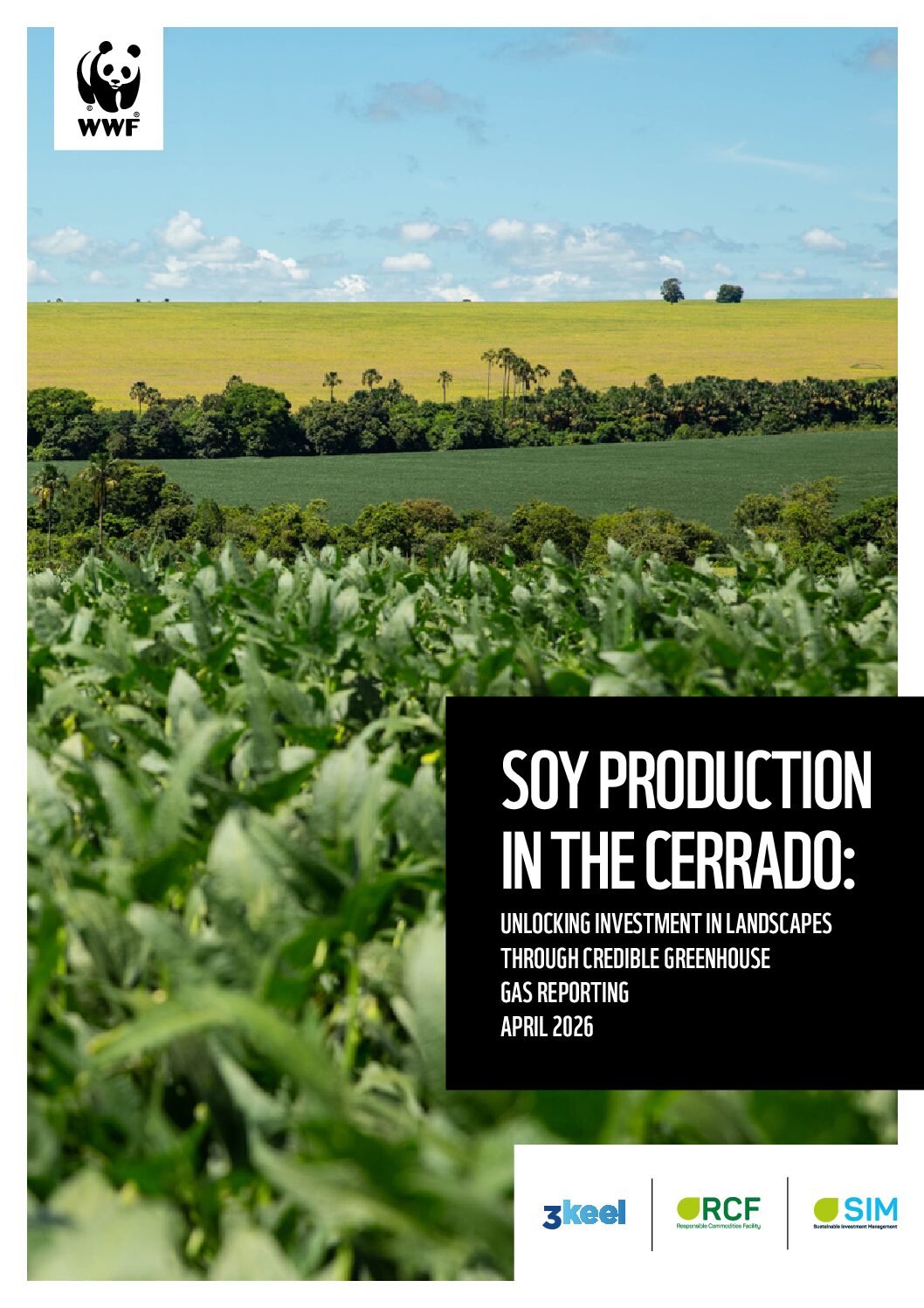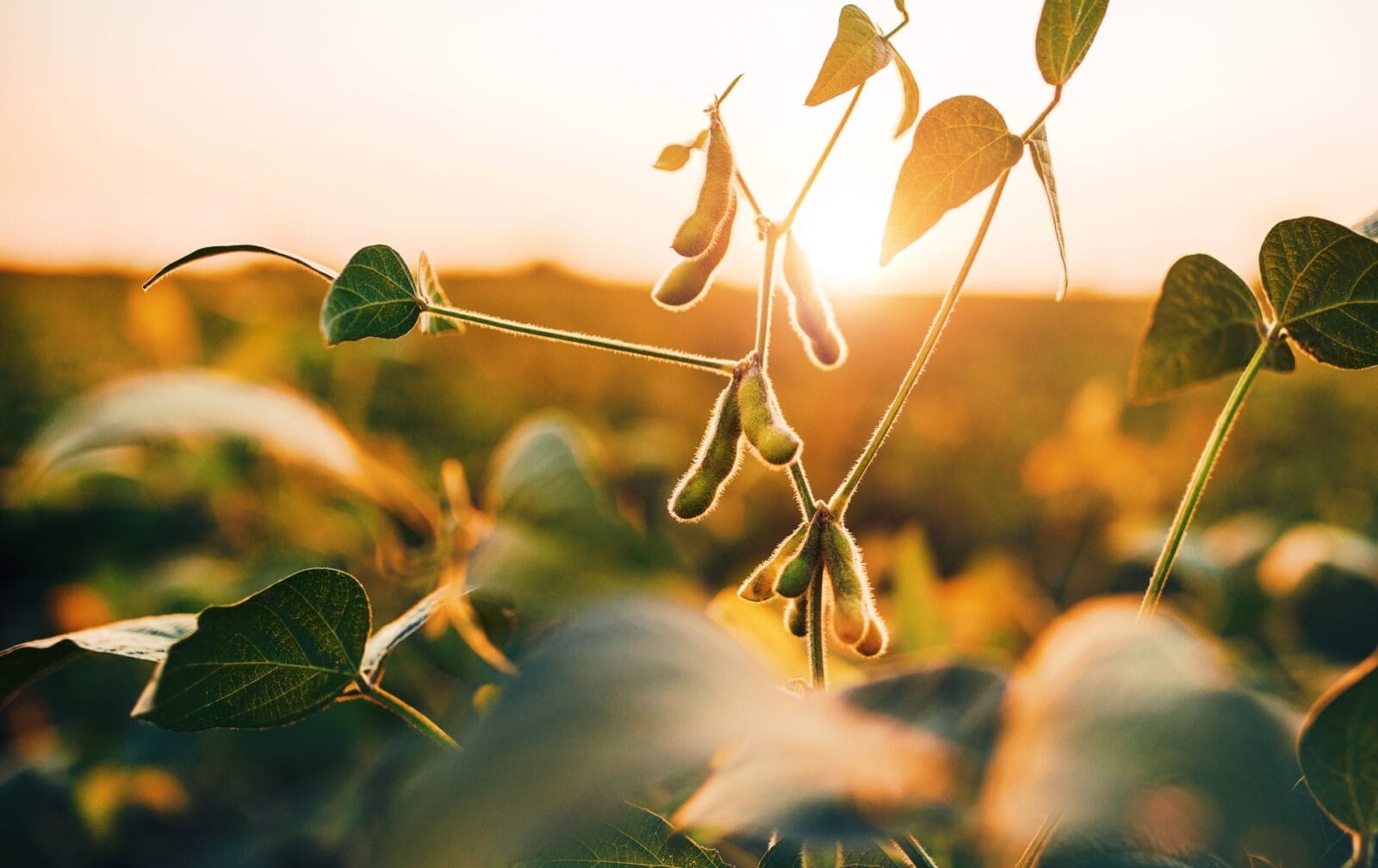
A new report authored by WWF and 3Keel lays out how UK supermarkets can credibly claim reductions in emissions from soy – a key feed crop for poultry, pigs and farmed salmon.
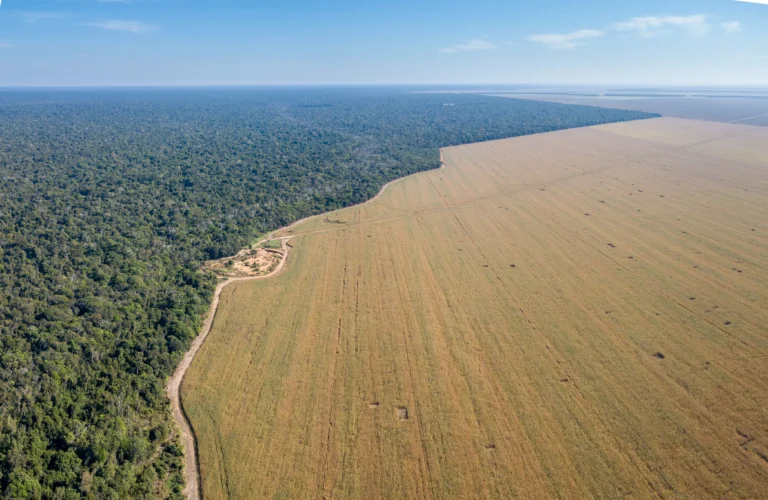
One of the world’s most important but threatened ecosystems, Brazil’s Cerrado region is where much of the soy imported to the UK is grown. It’s also a place where native vegetation plays a crucial role in storing carbon, regulating water and supporting biodiversity. Despite this, conversion for soy continues at scale.
For UK retailers and manufacturers, emissions linked to deforestation and conversion are a major contributor to their climate footprint. Cutting those emissions is essential for meeting greenhouse gas targets.
However, under current rules, only emissions reductions that can be physically traced through supply chains and are robustly monitored can be included in company carbon inventories. This means that many well‑intentioned landscape and conservation investments fail to show up in reported progress.
The inability of companies within the supply chain to credibly report the climate benefits of sustainably produced soy within their scope 3 emissions acts as a further barrier to investment.
The new WWF report, ‘Cerrado Soy: Unlocking Investment in Landscapes Through Credible GHG Reporting’, examines how companies can credibly make progress towards their climate targets through investing in deforestation and conversion-free soy.
Paul Marsh, climate change specialist at WWF UK, who contributed to the report, said: “Food companies have the responsibility to take action, but until now have not had a credible pathway for reporting the climate benefits of their investments.
“This report shows how those investments can deliver real emissions reductions against their climate target and reinforces that they can, and now must, cut deforestation out of our food system.”
It also explores how these challenges can be overcome with a new pilot scheme by the Responsible Commodities Facility (RCF) – an initiative that supports soy farmers in Brazil’s Cerrado with financial incentives if they commit to maintaining native vegetation on their farms and producing deforestation and conversion-free soy.
With investment from UK retailers Tesco, Sainsbury’s and Waitrose, since 2022 the initiative has produced more than 480,000 tonnes of deforestation and conversion-free soy.
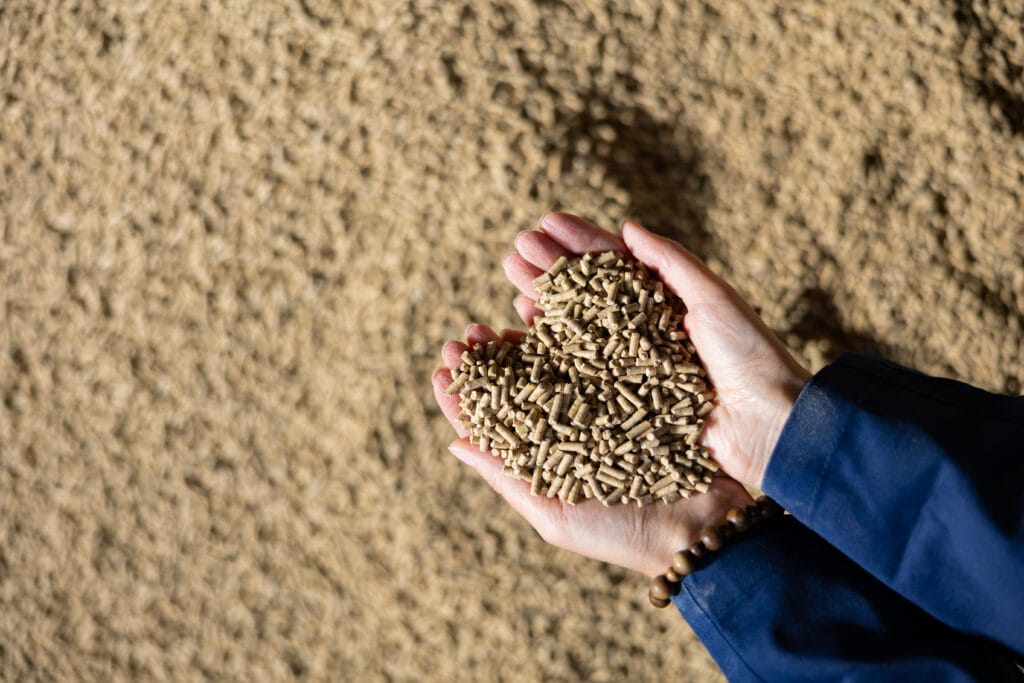
WWF found that soy produced from the RCF had over 30% lower greenhouse gas emissions than typical Brazilian soy – predominantly because it has been produced on land that has not been deforested – showing the opportunities for reductions to corporate scope 3 emissions targets are significant.
However, there are major challenges to overcome in proving traceability and monitoring deforestation on producer farms.
Complex, multi-level supply chains (where soy moves through extensive multi-state logistics networks), large aggregation hubs, and shared storage facilities make maintaining sufficient traceability highly challenging. Many tools used for measuring emissions arising from soy production are also not aligned with the key standard’s requirements.
Reducing emissions from soy
Because of these challenges, WWF is calling on supermarkets to:
- Prioritise what matters most by focusing monitoring on land‑use change – the single biggest source of emissions in soy supply chains – using satellite and remote‑sensing tools that reduce costs and farmer burden.
- Strengthen traceability collaboratively, by working with suppliers, traders and peers to pilot practical traceability systems that link farm-level outcomes to real soy supply chains.
- Be transparent about limits by reporting wider landscape and biodiversity benefits transparently, even where current accounting rules prevent them being included in scope 3 emissions.
“This report is a useful resource for organisations looking to understand how to build traceability within complex soft-commodity supply chains and design credible MRV programmes to support scope 3 accounting, drawing on practical examples from deforestation-free soy from the Cerrado,” said Megan MacGillivray, Senior Consultant at 3Keel.
“The key finding of the report is that, despite challenges resulting from the complexity of these supply chains, there’s significant potential for reporting the impact of deforestation-reduction activities in these supply chains through scope 3 accounting, unlocking private finance for sustainable production in high-risk landscapes.”
By focusing on how a company can trace soy across the supply chain and provide the necessary monitoring of the climate benefits of deforestation and conversion-free soy, the report provides a clear framework for making scope 3 claims from soy sourced from the Cerrado.
“Protecting critical ecosystems like the Cerrado is essential for the climate, for nature, and for the long term resilience of global soy supply chains,” said Marsh. “This is why supermarkets must invest in deforestation and conversion-free soy.”