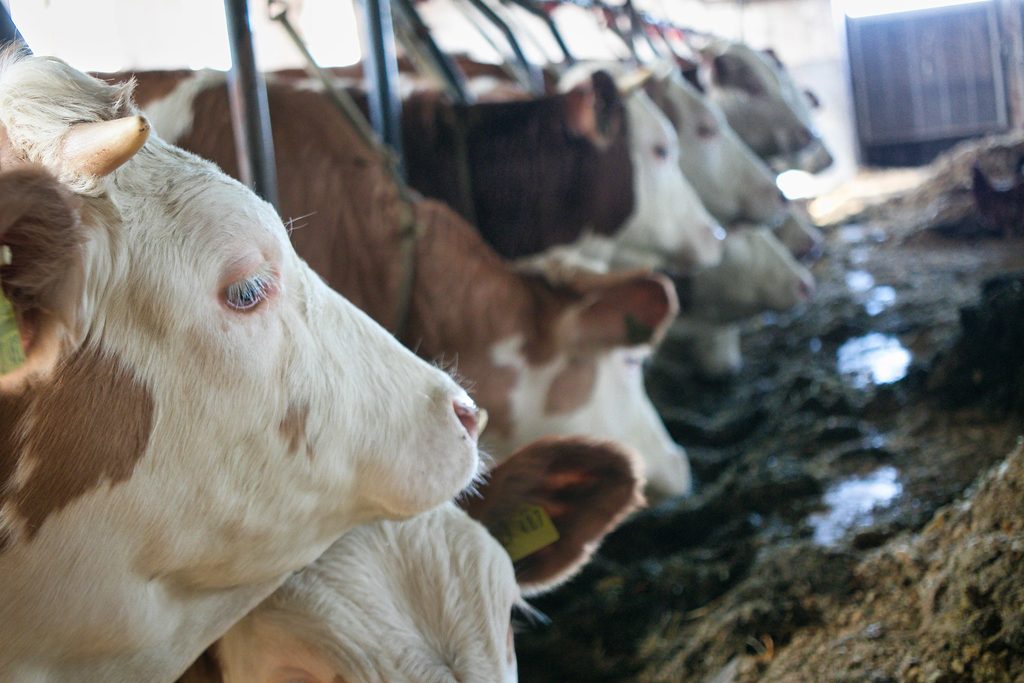
In our 2025 Collective Commodity Reporting Process, we worked directly with both major dairy companies and Dairy UK, the trade association for the UK dairy supply chain, to improve the supply chain transparency of soy used in dairy feed.
Here we take a closer look at the two different approaches we took, the impact each of them had, and why they are important in efforts to improve traceability and, ultimately, to help reduce deforestation and conversion of land.
At a glance
As a result of the work detailed below, the traceability of soy to its country of origin increased from 2% to 31% in the space of just a year.
Over the same period, the visibility of verified deforestation- and conversion-free (DCF) soy in dairy-sector supply chains also jumped from 2% to 14%.
With a new 2026 reporting process having launched on 24 November, we hope to see this trend continue, empowering downstream dairy companies to progress towards DCF soy in dairy feed.
Read on to learn more about what drove these increases in the first place.
The challenge
Supply chain traceability is a critical first step towards achieving deforestation-free supply chains. As data from our 2025 Collective Commodity Reporting Process shows, dairy has the third-largest soy footprint of any livestock sector. However, full transparency of feed supply chains has long been a challenge for both the UK and European dairy industries.
The largest dairy companies have supply bases of hundreds or thousands of farms, each with the autonomy to make their own feed-sourcing decisions. On top of this, feed rations change across the year and are dependent on factors such as weather conditions and dairy cows’ lifecycle stages. Economic conditions incentivise farmers to buy the cheapest feed available, rather than the most sustainable feed.

What’s more, evidence in past reporting processes points to a lack of awareness in the industry of how to source DCF soy. These factors mean it has historically been challenging to gather robust data on the dairy industry’s progress towards sustainable soy.
2025 was intended to be a milestone year, both in terms of meeting voluntary DCF soy targets and preparing for the EU Deforestation Regulation (EUDR).
As a result, to bring dairy reporting in line with UK and European retailers’ expectations, supply chain transparency in the dairy sector became a key focus in our 2025 Collective Commodity Reporting Process.
“In the context of increasingly volatile feed supply chains, developing innovative methods for improving supply chain transparency is more important than ever.”
The work
We took a two-pronged approach for this project. First, we engaged directly with dairy companies to find solutions to their traceability challenges. Second, we gathered data further upstream within the supply chain. In this instance, we worked with Dairy UK, the trade association for the UK dairy supply chain, to gather data directly from feed mills that could be applied in cases where the quantity, origins and DCF status of soy in feed were unknown.
Working with Müller UK & Ireland
We’ve worked closely with Müller UK & Ireland over several years to help the company report its soy data.
In 2024, we identified that modifying questions on sustainable soy sourcing as part of Müller Advantage farm assessments – including certification and origin disclosure – could help the company gather more accurate data. The 3Keel team also helped to develop a list of evidence requirements that aligned with our Collective Reporting Methodology and Müller customers’ expectations.
As a result of this engagement, in 2025 Müller was able to report and evidence that 56% of its soy was either physically certified (Mass Balance or Organic), or from low-risk origins.
The work with Müller proved that increasing supply chain transparency by modifying existing systems is possible. Crucially, it shows that farm data collection and assessments are an effective method for gathering information and evidence on sustainable soy commitments in the dairy sector.
“Knowing that over half the soy in our 2025 supply chain was either physically certified or from low-risk origins is a fantastic platform on which we can build, especially in the context of increasingly volatile feed supply chains,” as Deborah Carlin, Head of Sustainability at Müller UK & Ireland, put it.
“Responsible sourcing is of great importance to us. Our commitment to the UK Soy Manifesto means we are making every effort to help our supplying farmers move to sustainably-sourced soy. We’re pleased to be working closely with 3Keel to co-develop innovative new methods for improving supply chain transparency.”
A pilot project with Dairy UK
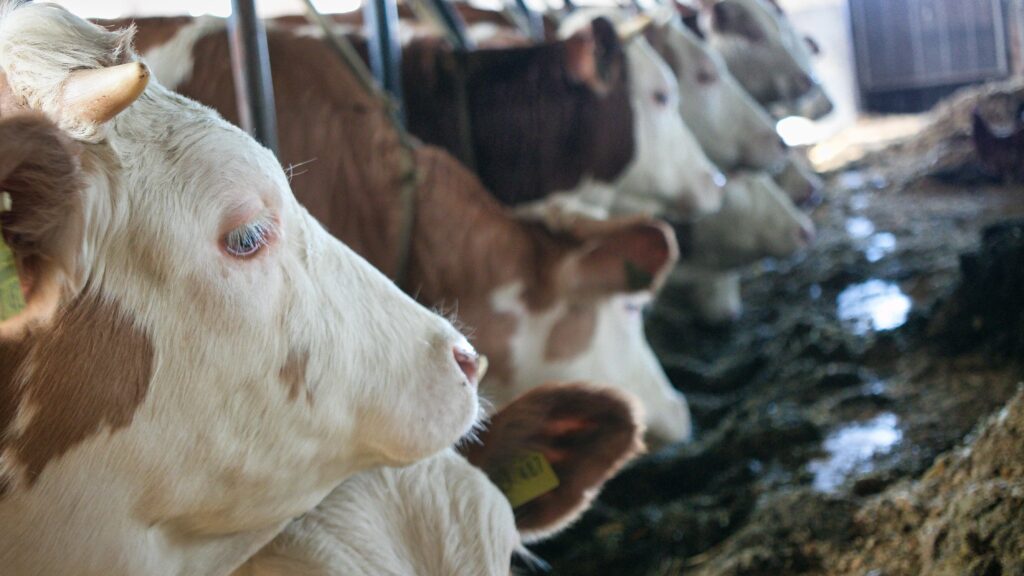
As well as working directly with dairy companies to improve their supply chain transparency, we engaged with Dairy UK to gather data on the certification and origin status of soymeal from feed mills used by the dairy sector. (Soymeal is the most common soy ingredient in animal feed).
How did the pilot work?
The pilot profiled an estimated 52% of the soymeal used in all UK dairy feed for 2025. It found that the overall traceability to the country of origin reported by the participating feed mills was 60%. The overall DCF score found in the pilot was 33% – significantly higher than the 2% DCF reported in 2024 by dairy companies directly supplying the UK’s retailers.
In order to provide a more accurate representation of the true DCF status of UK-based dairy companies’ soy footprints, we applied the findings from the Dairy UK pilot to those companies which reported no data on the certification or origin status of the soy in their feed.
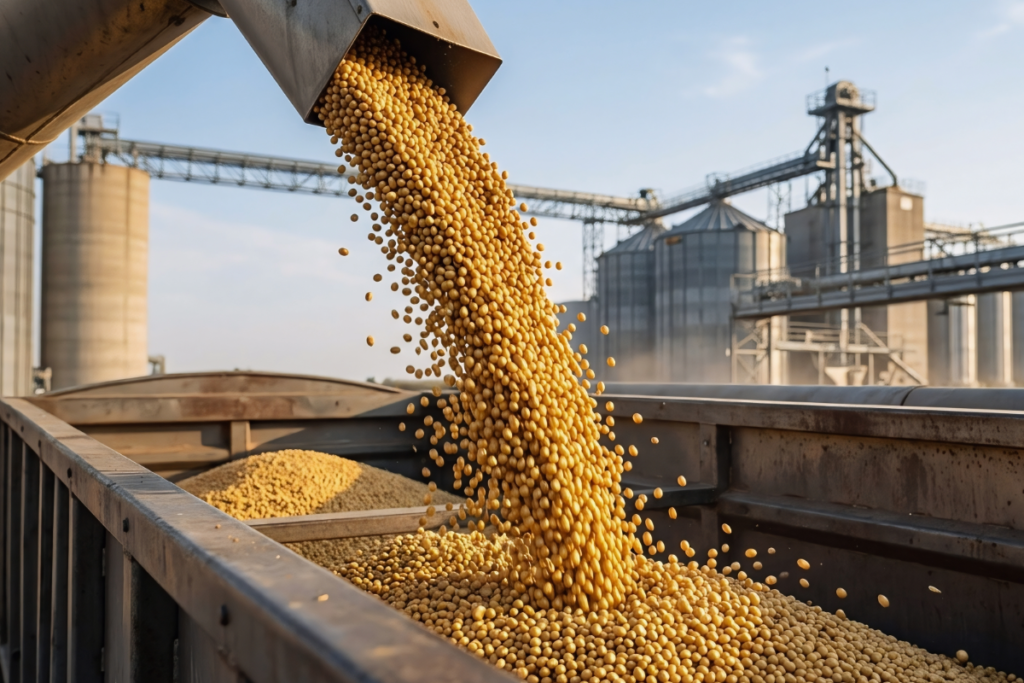
Following the success of the pilot, we plan to expand it in the upcoming reporting process to beef supply chains as well as dairy.
Looking ahead
2026 has been a challenging year for UK and European dairy farmers. Many have been forced to use more feed over the summer due to multiple heatwaves. At the same time, many have faced higher feed-input costs due to lower crop yields and global instability. This means that the dairy sector’s reported soy footprint for 2026 is likely to increase – and the uptake of more expensive, physically certified soy may be limited.
In the context of increasingly volatile feed supply chains, developing innovative new methods for improving supply chain transparency is more important than ever – especially if the sector is to continue progressing towards DCF targets and building greater supply chain resilience through engagement.
2025 was not the ‘milestone year’ that many hoped it would be for meeting voluntary DCF soy targets, but it may well have been a turning point for improving dairy’s soy supply chain transparency.
To find out more about the progress made in the 2025 reporting process, please see our most recent report 2025: A Milestone Year?