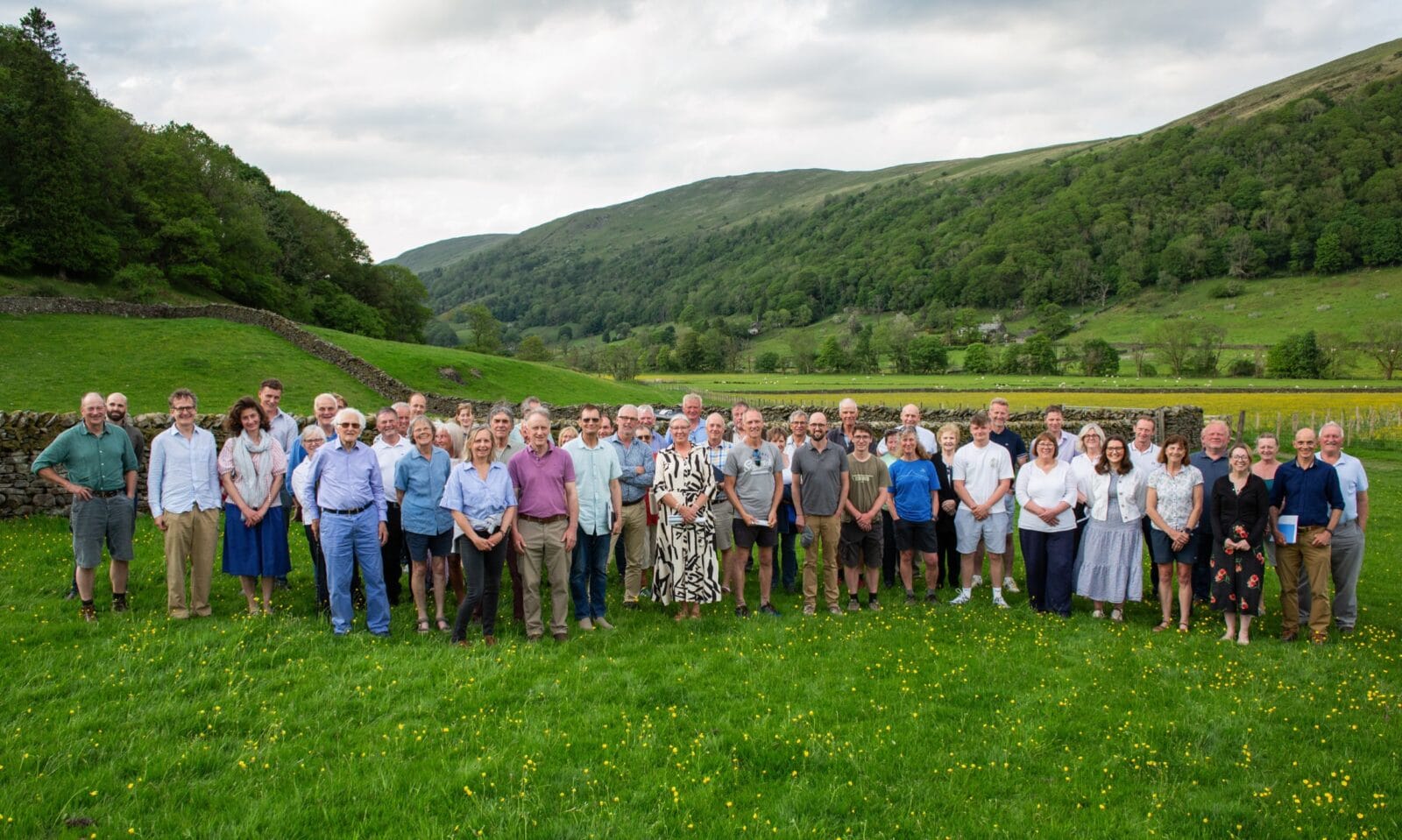
A pioneering initiative covering more than 16,000 hectares and involving 39 farms, the Penrith2Kendal Arc Landscape Recovery project in eastern Cumbria has been developed through collaboration between participating farmers and landowners, and conservation partners.
If approved by the Department for Environment, Food & Rural Affairs (Defra), the project would become one of the largest Landscape Recovery projects in the UK with the ambition to restore and connect a rich mosaic of habitats. This would enhance biodiversity, improve water quality, capture carbon, increase the resilience of the landscape to climate change, and support the long-term sustainability of farming businesses and rural communities.
Alongside supporting environmental restoration and productive farming systems, the project will also create opportunities for education, volunteering, access improvements and stronger connections between local communities and the landscape.
Closing the gap
When 3Keel joined the team, the project was well advanced in developing its Land Management Plan, governance structures and stakeholder engagement. However, a critical gap remained – the development of a blended finance strategy that could incorporate private investment alongside public funding.
The Landscape Recovery development process encourages projects to explore opportunities for complementary funding alongside public investment. It was therefore important that the project develop a credible and actionable finance plan.
A defining feature of the Penrith2Kendal Arc project has been its farmer-led governance model. Participating farms range from less than five hectares to more than 3,000 hectares and have established the Penrith2Kendal Arc Community Interest Company (CIC) to provide local oversight of the project. The CIC has around 150 members and operates on a one member, one vote basis, ensuring every member has an equal voice regardless of the size of their holding or whether they are a tenant farmer, owner occupier or estate representative.
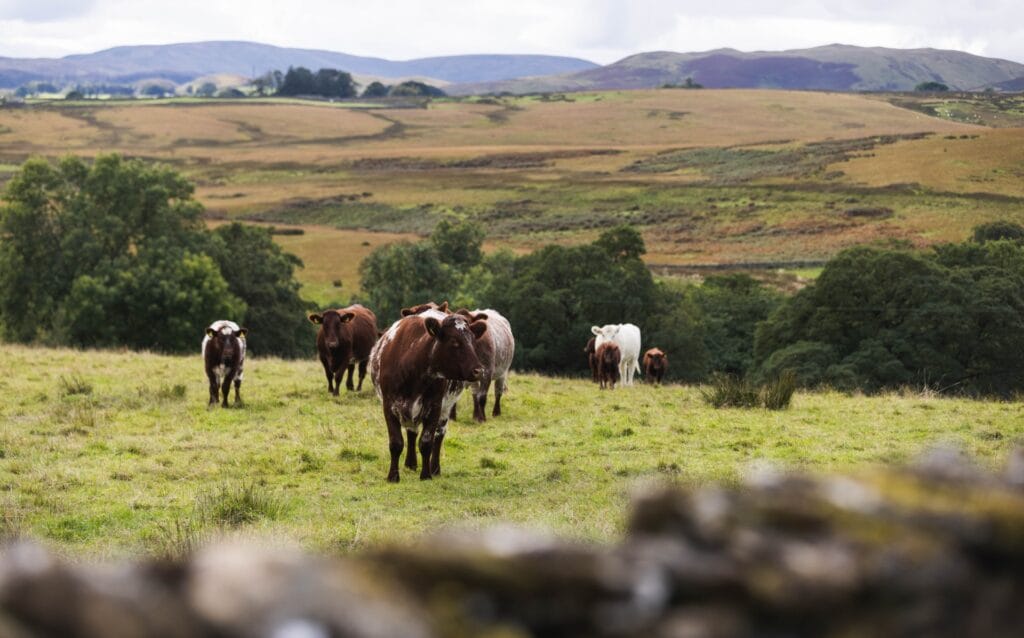
The CIC was established to provide farmer-led governance for the project and ensure decisions are made transparently and locally. This democratic structure has helped build trust across a diverse membership and provides a clear framework for decision-making as the project progresses through Defra’s assurance process.
Navigating the transition in funding and managing land
This work sits within a major national transition in how land is funded and managed in England. EU-style agricultural subsidies are being replaced by a system that pays for ‘public goods’ such as restoring biodiversity, capturing carbon, improving water quality and mitigating flooding.
Funded by Defra, Landscape Recovery is one of the three Environmental Land Management schemes alongside the Sustainable Farming Incentive and Countryside Stewardship. Landscape Recovery supports large-scale, long-term projects that bring farmers and land managers together to deliver environmental and climate outcomes across whole landscapes through bespoke agreements. Projects focus on biodiversity, wildlife-rich habitats and net zero, while recognising local circumstances and the need for food production.
A distinctive feature of the scheme is its emphasis on collaboration, long-term funding and the development of blended finance models that combine public and private investment that can support long-term delivery.
Our involvement: a trusted, strategic adviser
3Keel was commissioned to co-develop a blended finance strategy and investment model. This would help to demonstrate financial resilience, engage potential private buyers from across the region, and align with Defra’s funding expectations.
From the outset, the team invested in understanding the landscape and its stakeholders first hand, visiting the project area and meeting participating farmers. This place-based approach, combined with experience from earlier Landscape Recovery round one projects, enabled 3Keel to engage successfully with farmers, landowners and delivery partners, building trust in a complex, multi-stakeholder environment.
“We commissioned 3Keel to write our Landscape Recovery blended finance plan. Right from the start we felt we were in good hands.
“The team were always clear and direct in their communication and advice, really going above and beyond. It felt like we were working with people who were invested in the project and its success, rather than this being another ‘contract’ to fulfil.”
Kate Woolf, Penrith2Kendal Arc Project Manager
Navigating this scheme not only requires technical understanding, but the ability to interpret how policy ambition translates into viable, deliverable projects. We brought insight into Defra’s scheme requirements, governance expectations and funding structures, helping to ensure that the project aligns with Defra’s priorities while also remaining practical and grounded for land managers.
We also gave pragmatic and practical advice about how to build private sector relationships that would work well with public sector funding to support delivery in the long term. This reflects our understanding that the future of nature recovery depends on functioning markets for ecosystem services such as carbon, biodiversity and water. Particularly with large-scale projects such as this one, engaging with private businesses from the outset is key, rather than starting with environmental outcomes and seeking funding second.
The design of the Landscape Recovery scheme
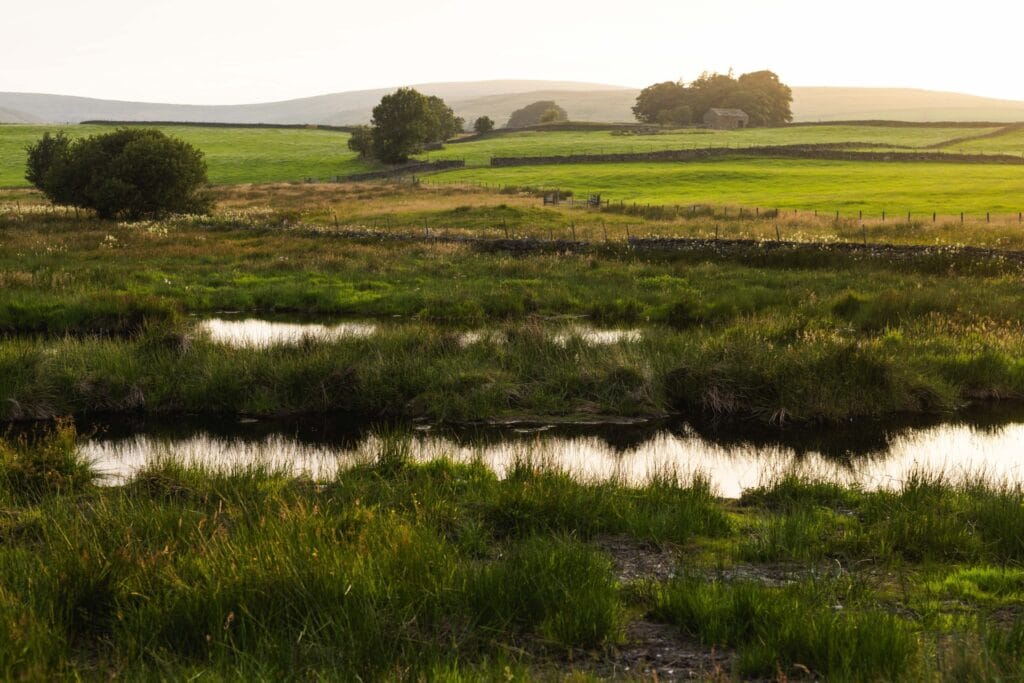
The immediate driver of this project was the structure of Defra’s Landscape Recovery scheme. The scheme comprises two distinct phases: an initial two-year fully funded development phase, followed by a formal project submission and, if successful, a negotiated transition into a long-term implementation phase. The project team was working toward a fixed milestone – submitting a fully-developed proposal by the end of 2025.
Making the business case for investment in nature
To help position the project as both deliverable and investable at scale, we explored how best to structure different environmental revenue streams. For example, we examined how industry-led natural capital schemes focused on carbon capture and biodiversity net gain might work alongside organisations and businesses investing in the local landscape with an interest in landscape resilience, flood management and water quality improvements.
A key consideration was how the farmer-led CIC could manage funding flows transparently and effectively over the project’s lifetime while ensuring participating farms retained a meaningful role in decision-making. Because the CIC operates on a one member, one vote basis, the governance model provides a clear framework for accountability and collective decision-making across a diverse membership of farms and land managers.
“The team impressed us with their ability to integrate complexity into a coherent strategy and to operate at a system level, rather than within isolated workstreams.”
The nuts and bolts
For the work itself, we followed a flexible, phased approach, moving from initial project and team orientation, through to ecosystem service assessment, to financial model design and investment positioning.
Throughout the process of developing the finance model and investment case, 3Keel engaged with local and regional actors such as National Highways, Network Rail and United Utilities, organisations whose operations and infrastructure are materially dependent on the resilience and functioning of the landscape. We led on all engagement with these companies, as well as several others, reaching out to contacts, arranging interviews and hosting calls to gather information.
These early conversations helped to establish the foundations for future partnerships, linking the project’s environmental outcomes (e.g. flood mitigation, water quality, carbon sequestration) to real-world demand from corporate stakeholders.
1. Ecosystem services assessment
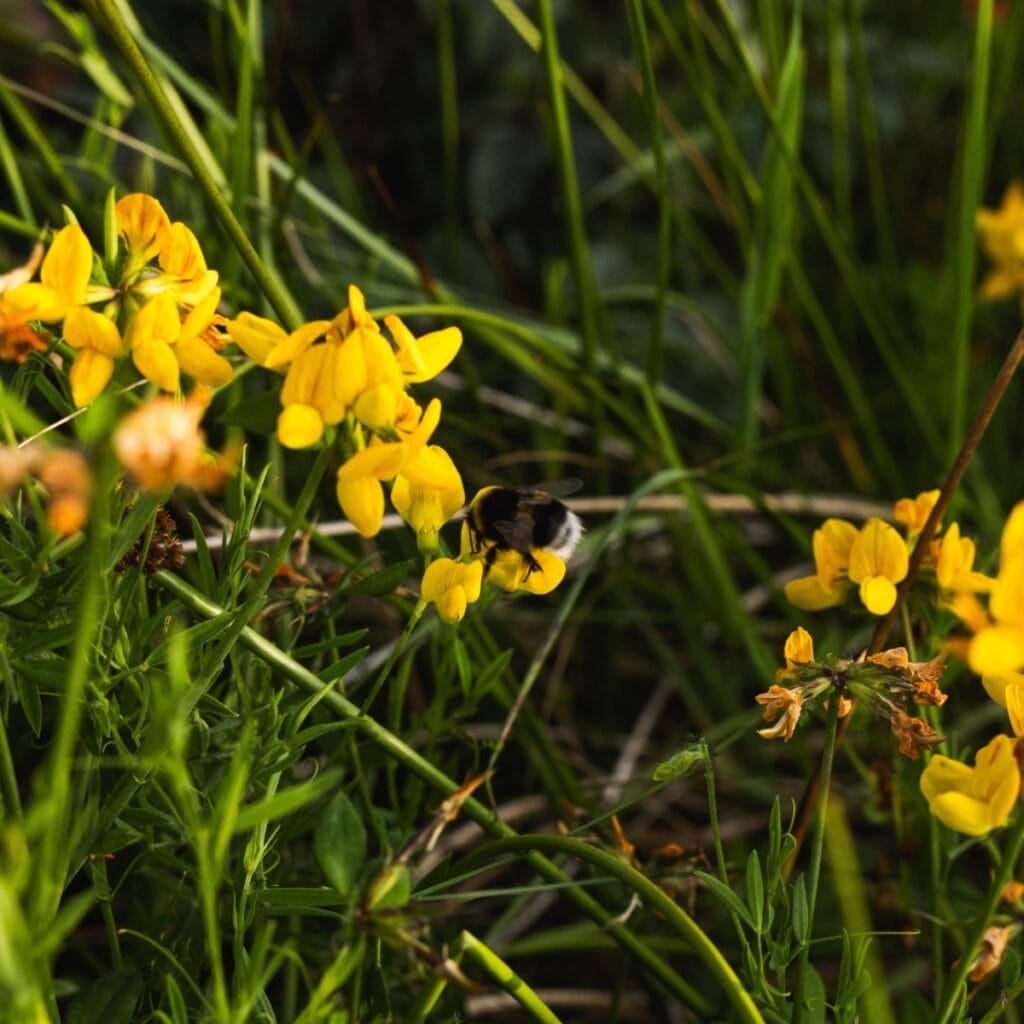
The project aimed to create new woodlands, wetlands, species-rich grassland and diverse upland habitat, so it was key to identify and assess the likely ecosystem services these proposed land-use changes would generate, with a focus on carbon and increasing biodiversity.
We reviewed and consolidated outputs from other contractors, including the Land Management Plan, ecological baselines and data collection strategies. From this, we identified the landscape functions and ecosystem services most relevant to the project, particularly carbon, biodiversity uplift and water-related services such as flood mitigation and natural flood management.
2. Market-readiness assessment
We conducted an initial market-readiness assessment and examined whether the project, and its proposed changes, would generate measurable benefits that would not have occurred under a ‘business-as-usual’ scenario.
We ensured that the monitoring and survey work from the ecology team stood up to scrutiny and would be sufficient from a measurement, reporting and verification perspective. As part of this, we compared the data requirements needed for selling carbon credits or biodiversity net gain units and worked back to see if the data we had received was up to the task.
3. Finance model
Our assessment helped to clarify which revenue streams were viable in the near term, and what additional data, verification or design considerations would be required to unlock future opportunities, including water-related services.
Building on this technical foundation, we developed a blended finance model. This included structuring how to combine public and private funding. It explored how local businesses with dependencies on the landscape could come in as strategic funders. It clarified how financial flows and risk sharing would operate through the CIC governance structure, ensuring transparency and practicality for land managers.
4. Business model and investment case
Finally, using the insights from the previous stages, we developed a detailed business model. This involved working with the wider team to quantify the likely capital costs, operational expenditure and projected revenues over the project’s 20-year lifetime.
What were the results of the project?
The most significant outcome of 3Keel’s work was the development of a clear, integrated and submission-ready financial proposition, underpinned by a robust blended finance plan. This brought together previously fragmented elements and deliverables into a single, coherent framework.
As a result, the project now has a blended finance framework that can support Defra assurance and future discussions with potential private investors and funding partners. It also helped demonstrate how long-term, landscape-scale environmental restoration can be delivered through a viable, long-term funding model.
“From Catherine who started the conversation, to Katie and Cintia who worked behind the scenes, and particularly Luke (who held it all together with spectacular calm, even in the most challenging of times), we really couldn’t be happier with the service and hope that this is a relationship that can continue as the project progresses.”
Kate Woolf, Penrith2Kendal Arc Project Manager
The finance strategy was developed alongside a governance structure that gives participating farms direct oversight through the farmer-led CIC, helping ensure that future funding and delivery remain transparent, democratic and locally accountable.
What’s happening next?
Following submission of its detailed plans to Defra in January 2026, the project entered the assurance stage of the Landscape Recovery process. Over the coming months, the project team will be responding to queries from Defra and independent specialists, providing additional detail to ensure that all elements of the proposal (technical, financial and governance) are fully understood and meet scheme requirements.
The outcome of the assurance process will determine whether the project progresses to a formal delivery agreement.
If approved, this project would become one of the largest and most ambitious Landscape Recovery projects in the country, offering a practical example of how farmers can work together at scale to deliver for both food production and the environment.